Passport to Plate
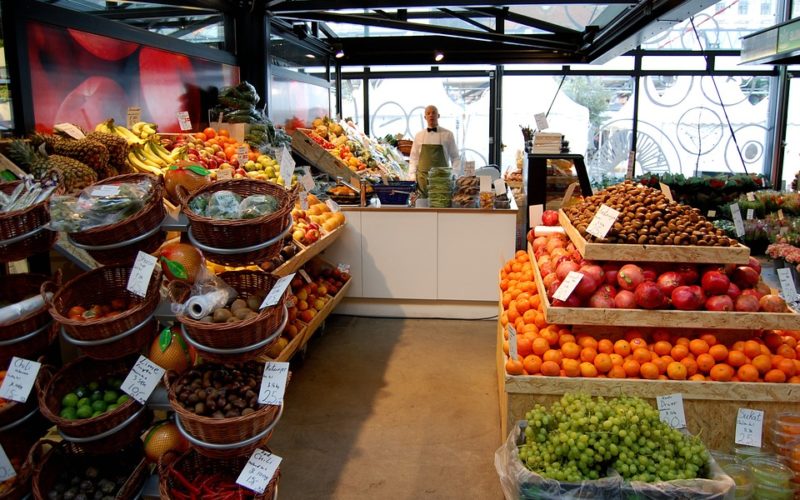
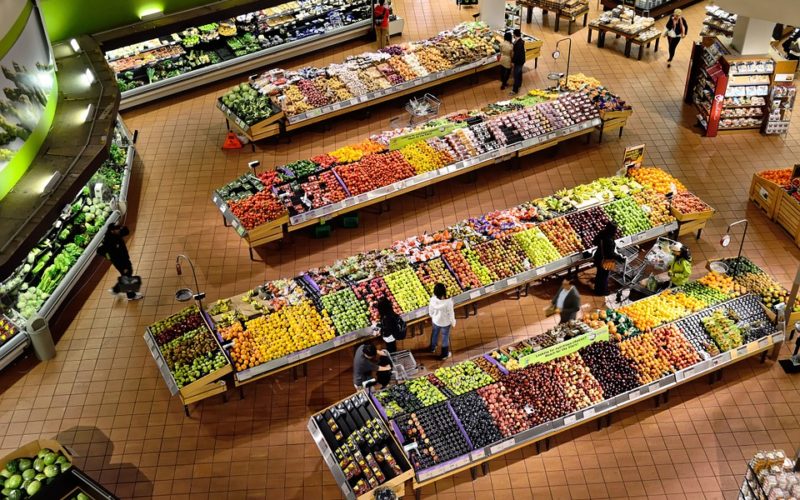
The food on your dinner table tells a complex story of international logistics, agricultural innovation, and shifting economic landscapes. Decades ago, local climates strictly dictated dietary habits, meaning families consumed only what regional farmers could cultivate. You would rely heavily on root vegetables during winters and await summer for fresh berries. International commerce has dismantled these traditional limitations, fundamentally altering human nutrition. The modern supermarket acts as a crossroads of global agriculture, allowing a shopper in London to purchase avocados from Mexico and quinoa from Peru in a single trip.
This vast exchange network ensures that consumers have access to a broader spectrum of vitamins and minerals than any previous generation. Nutritional diversity directly correlates with overall physical well-being, particularly concerning gut microbiomes that thrive on varied dietary inputs. When individuals incorporate foreign grains, exotic fruits, and unfamiliar vegetables into their meals, they introduce different types of fibre and antioxidants to their digestive systems. International commerce serves as a vital delivery mechanism for public health, preventing the nutritional deficiencies that often arise from geographically restricted diets.
Navigating the complexities of seasonal availability
Modern supply chains have effectively eradicated the concept of winter scarcity in developed nations. Southern hemisphere countries harvest their crops precisely when northern hemisphere agricultural production enters its dormant phase. Massive cargo vessels equipped with advanced climate control technology transport perishable goods across oceans without sacrificing freshness or nutritional value. This continuous cycle guarantees that essential nutrients remain accessible regardless of the month, supporting consistent dietary habits year-round. Consumers no longer need to rely heavily on nutrient-depleted preserved foods when fresh alternatives arrive daily from international ports.
While the benefits of constant availability are substantial, the environmental footprint of transporting fresh produce across thousands of miles demands careful consideration. Aviation and maritime emissions contribute heavily to the carbon cost of our daily meals. However, agricultural economists point out that growing certain crops in their native climates and shipping them globally can sometimes require less energy than artificially replicating those climates in local greenhouses. The ongoing challenge for food distributors involves balancing nutritional accessibility with sustainable transport methods.
Expanding culinary horizons and nutritional profiles
The normalisation of imported ingredients has also democratised healthy eating patterns that were once exclusive to specific cultures. The Mediterranean diet, widely celebrated by cardiologists for its heart-healthy properties, relies heavily on olive oil, specific legumes, and regional fish. Through expansive trade agreements, these staple ingredients are now globally distributed at accessible price points, allowing families worldwide to replicate these beneficial eating habits. This cultural exchange of dietary practices represents one of the most significant public health victories driven by globalised commerce.
As consumer demand for functional foods increases, developing nations have found lucrative export markets for indigenous superfoods. Chia seeds, teff, and amaranth have transitioned from obscure regional staples to globally recognised nutritional powerhouses. This shift not only diversifies the macro-nutrient profiles available to western consumers but also injects vital capital into rural farming communities across the developing world. The financial incentives encourage the preservation of biodiversity, ensuring that these unique crops continue to thrive for future generations.
Securing the future of global food networks
The resilience of our modern dietary landscape depends entirely on the stability of international trade relations and logistical infrastructure. Recent global disruptions have highlighted the fragility of these networks, prompting agricultural scientists to explore more robust methods of securing the food supply chain. Maintaining a diverse daily diet requires ongoing cooperation between nations, continuous investment in sustainable transport technologies, and a shared commitment to agricultural innovation. By understanding the immense journey your food undertakes, you can make more informed, appreciative choices about the nutrition that fuels your life.