A Sustainable Diet
A sustainable diet is one that nourishes your body while minimising harm to the planet. It considers not just what you eat, but how your food is grown, processed, and transported. At its core, it prioritises plant-based whole foods, reduces waste, and favours locally sourced ingredients over heavily processed, imported alternatives.
Why your food choices matter
The global food system accounts for roughly one-third of all greenhouse gas emissions. Livestock farming alone — particularly beef and dairy — contributes significantly to methane emissions, deforestation, and water usage. Shifting even a portion of your diet away from animal products can meaningfully reduce your environmental footprint, without requiring a complete lifestyle overhaul.
The foundations of eating sustainably
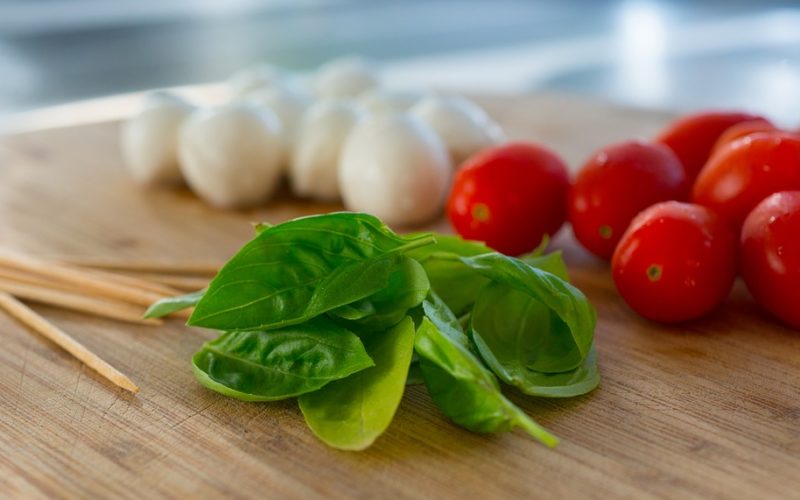
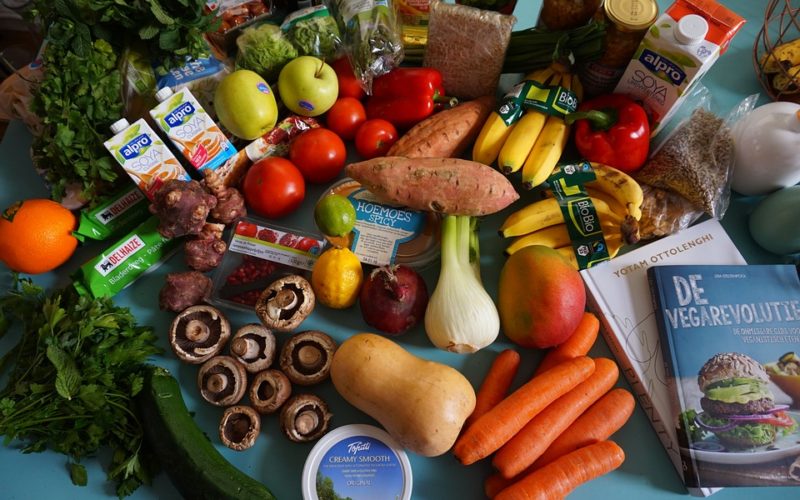
A sustainable diet doesn't mean eating bland or restrictive meals. Vegetables, legumes, wholegrains, nuts, and seeds form its backbone — foods that are nutritious, affordable, and far less resource-intensive to produce than meat. Fish can also be part of a sustainable diet, provided it's sourced responsibly from well-managed fisheries. The key is variety and balance, not perfection.
Seasonal and local eating
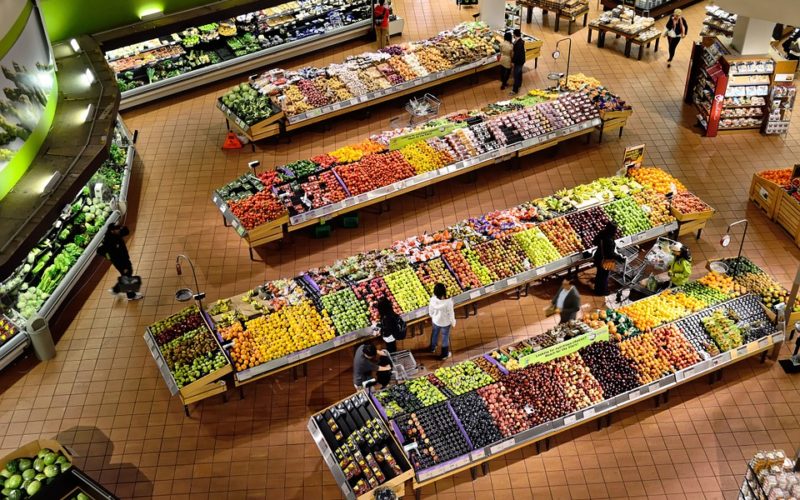
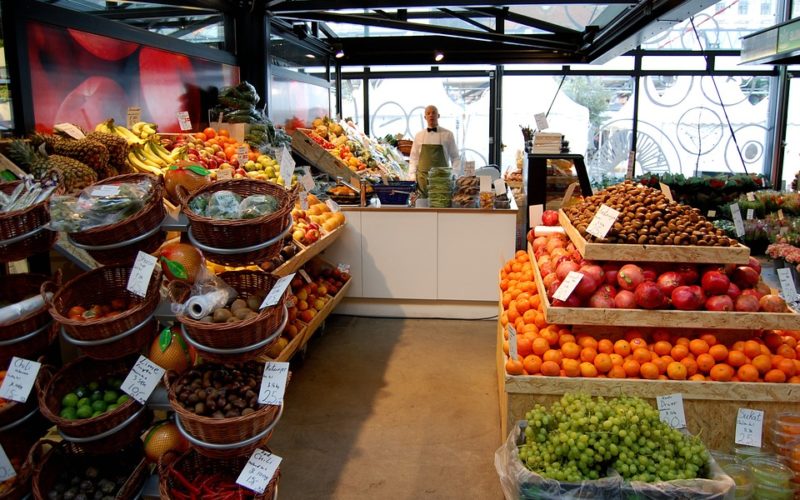
Buying seasonal produce from local farmers is one of the simplest ways to eat more sustainably. Out-of-season fruits and vegetables often travel thousands of miles by air freight before reaching your plate, generating substantial emissions along the way. Seasonal eating also tends to be cheaper, and the produce is typically fresher and more flavourful — a genuine win on multiple fronts.
Reducing food waste
Approximately one-third of all food produced globally is wasted. At the household level, poor meal planning and impulse buying are the biggest culprits. Planning your meals for the week, shopping with a list, and using up leftovers creatively are practical habits that cut waste significantly. Composting unavoidable scraps keeps organic matter out of landfill, where it would otherwise release methane as it decomposes.
Making gradual, lasting changes
Overhauling your diet overnight rarely sticks. Small, consistent changes are far more sustainable in the long run — both for your health and the planet. Swapping one or two meat-based meals per week for plant-based alternatives, choosing tap water over bottled, or switching to oat milk in your morning coffee are modest shifts that add up over time. Sustainability is a direction, not a destination.
A diet good for you and the planet
The encouraging thing about sustainable eating is that it aligns closely with a healthy diet. Less processed food, more whole ingredients, and a greater variety of plants — these principles benefit your body just as much as the environment. Eating sustainably isn't a sacrifice; it's a way of making everyday choices that are better for your long-term health, your community, and the world around you.