How the Global Food Aisle Can Transform Your Healthy Eating
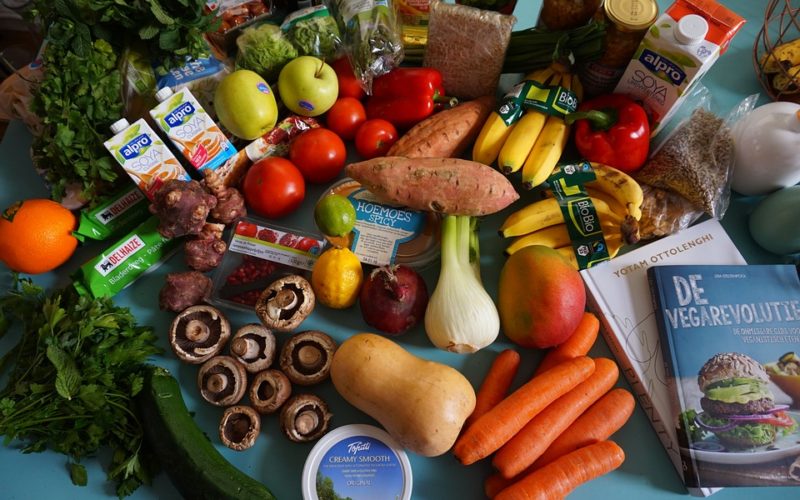
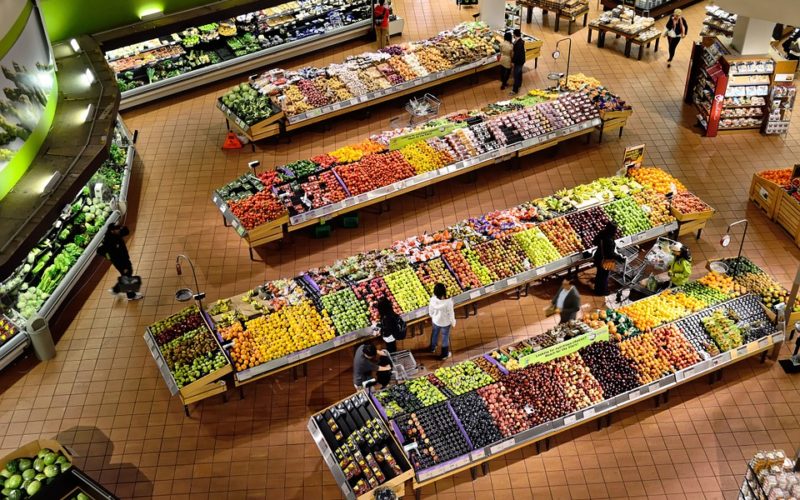
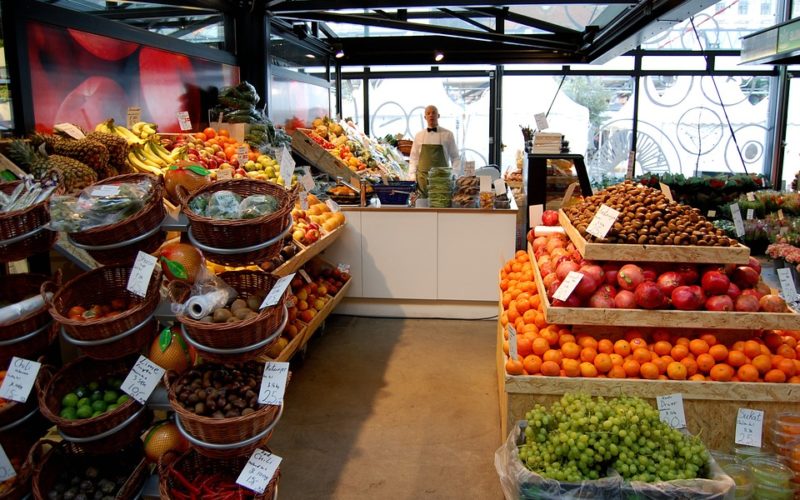
Your grandmother's greengrocer stocked perhaps a dozen vegetables, and most of them depended on the season and the county. Walk the same errand today and the shelves carry mangoes from India, lemongrass from Thailand, sweet potatoes, pak choi, chickpeas, harissa and a grain aisle that reads like an atlas. The world has grown smaller, and nowhere is that more visible than in an ordinary supermarket trolley. Most of us treat this abundance as a curiosity, buying the same ten ingredients on rotation while the rest of the planet's larder sits unexplored a shelf away. That is a missed opportunity, because the global food aisle may be the most underused health resource you have.
Variety is a nutritional strategy
Eating healthily is usually framed as eating less of things, but the more powerful move is eating more kinds of things. Different plants carry different fibres, vitamins and protective compounds, and research on gut health suggests that people who eat a wide variety of plant foods each week — the oft-quoted target is thirty — host measurably healthier gut bacteria than those eating the same few on repeat. Variety used to require effort; now it requires only curiosity. A tin of black beans, a bag of red lentils, a bunch of coriander and a jar of tahini each add a new species to your week for pennies, and the global aisle supplies dozens more waiting their turn.
Borrow from cuisines that got it right
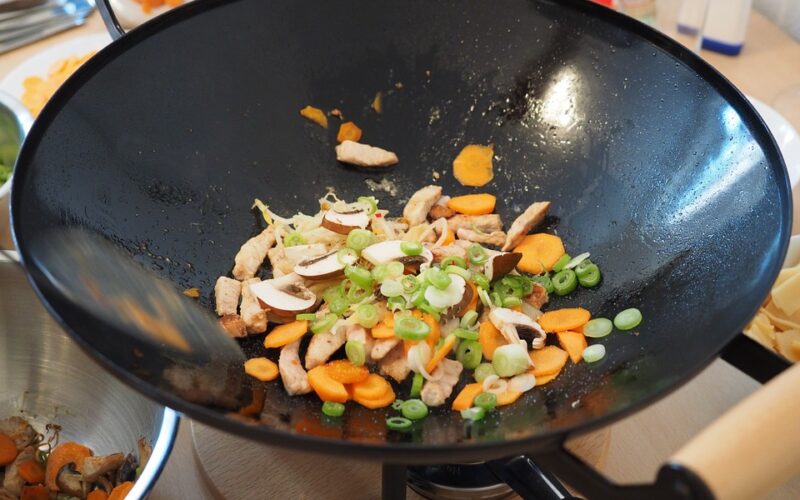
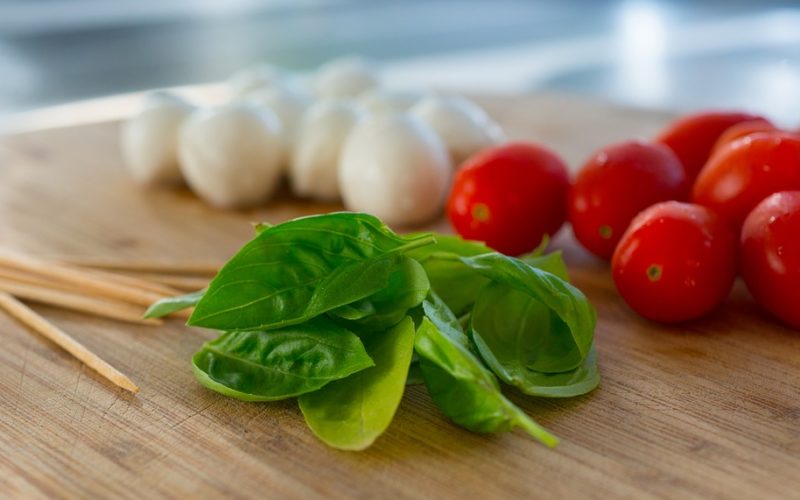
Several of the world's traditional diets are quiet masterclasses in healthy eating. The Mediterranean pattern — vegetables, olive oil, fish, beans and unhurried meals — remains the most studied and celebrated. Japanese home cooking demonstrates modest portions and an easy reliance on fish and vegetables; South Asian kitchens have built centuries of meals around lentils and spices; Mexican tradition pairs beans with corn into cheap, complete protein. The trick is to borrow what these cultures actually eat at home rather than their takeaway exports. A dal, a vegetable stir-fry or a bean chilli is fast, inexpensive and effortlessly healthy — no superfood price tag required.
A bounty of recipes one search away
The same smallness of the world that fills the shelves also solves the question those shelves raise: what do I do with this? Whatever unfamiliar vegetable or grain catches your eye, thousands of cooks have already filmed themselves preparing it, and a search on the ingredient's name produces guidance within seconds. Choose recipes with short ingredient lists and simple methods first, and let one new dish a week become the habit. The combination — a curious purchase plus a five-minute search — turns the entire supermarket into an extended cookery course, one that makes healthy meals feel like discoveries rather than duties.
Keep the goodness in the pan
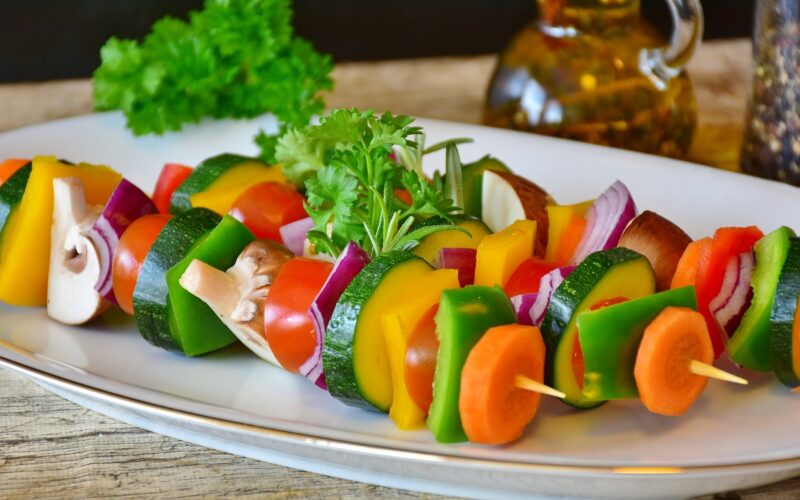
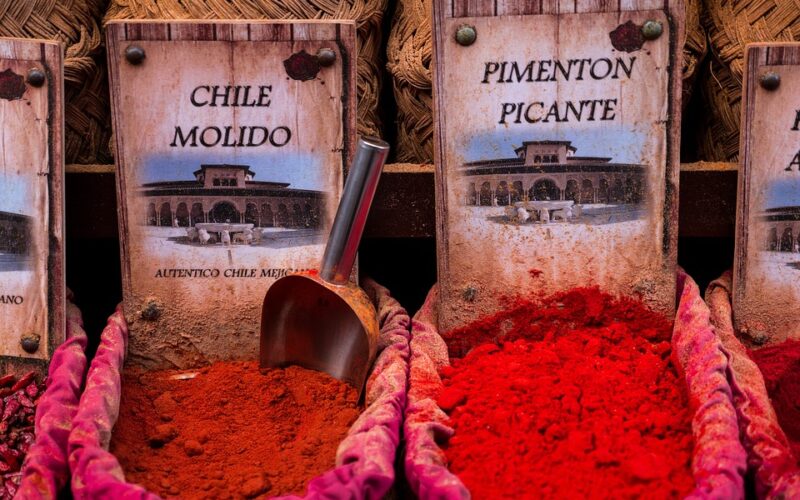
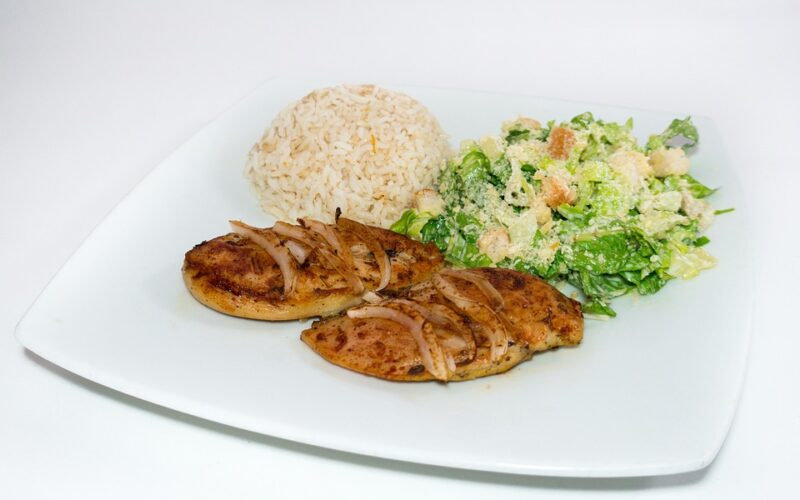
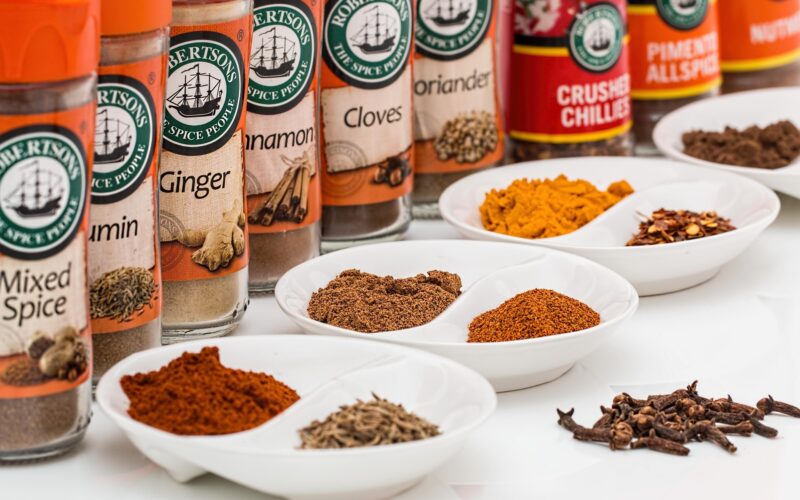
A word of caution belongs here, because no ingredient is healthy enough to survive every treatment. The world's best vegetables can be battered and deep-fried into indulgence, and many a virtuous dish has drowned in cream, sugar or half a day's salt. Favour the methods that preserve what you paid for: steaming and stir-frying keep vegetables bright and their nutrients largely intact, grilling and roasting build flavour without a fryer, and the global spice rack — cumin, smoked paprika, ginger, chilli — adds interest that makes heavy sauces unnecessary. Cooking this way is not a sacrifice; it is precisely how most of these dishes were made in their homelands before export versions grew rich.
Healthy eating fails most often through boredom, and boredom is now optional. With the world's ingredients three streets away and its recipes in your pocket, the same weekly shop can become a slow tour of the planet — new colours in the basket, new flavours on the table, and a body quietly better fed each week. Treat the trolley as a passport, and you may find you no longer have to chase healthy food at all. You crave it.